
So, you’ve got a car you love and want to know which is better: paint protection film vs ceramic coating? The short answer is that PPF is superior for physical protection against rock chips, while a ceramic coating excels at creating a brilliant shine and making your car easier to clean. They both promise to protect your car’s finish, but they work in completely different ways. This can make the choice feel complicated.
Deciding on paint protection film vs ceramic coating comes down to understanding what you want to protect your car from, your budget, and how you use your vehicle. Are you worried about rocks chipping your bumper on the M1, or are you more focused on a jaw dropping shine and easier car washes?
Let’s break it all down in plain English, so you can make the best choice for your pride and joy.
What is Paint Protection Film (PPF)?
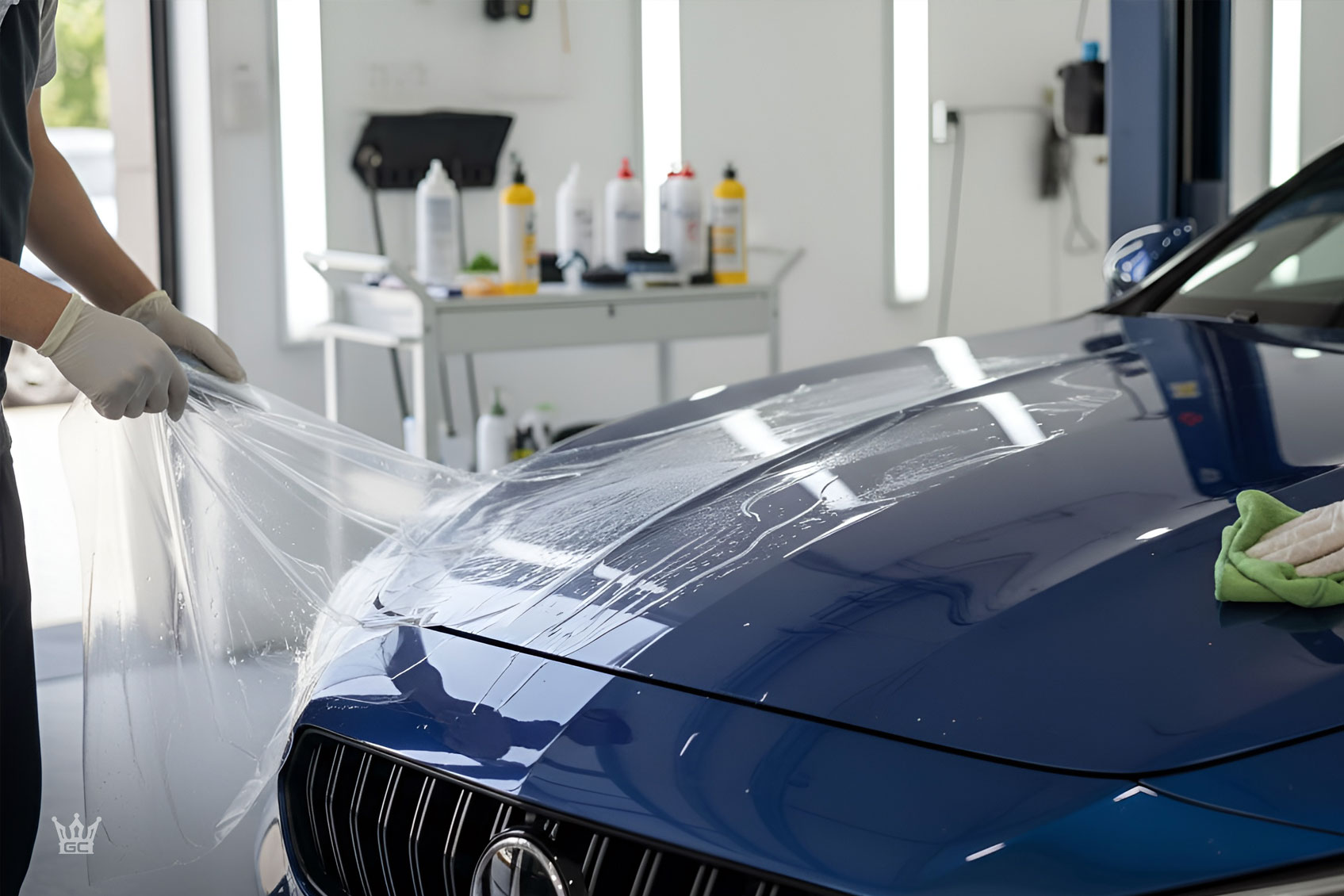
Think of Paint Protection Film (PPF) as a transparent suit of armor for your car. It’s a durable, flexible urethane film that is applied directly to your vehicle’s painted surfaces. Originally developed for the military (where it was nicknamed “helicopter tape”) to protect rotor blades from debris, this technology is now the ultimate shield for automotive paint.
Modern PPF is about 0.15 to 0.25 mm thick, making it a substantial physical barrier that absorbs impacts from rock chips, gravel, bug splatter, and minor scuffs. When installed correctly, it’s virtually invisible. One of its standout features is a self healing top coat, which allows light scratches and swirl marks to disappear with a bit of heat from the sun or warm water.
What is a Ceramic Coating?
A Ceramic Coating is a liquid polymer, often made from silica dioxide (SiO₂), that is applied by hand to your car’s exterior. It chemically bonds with your vehicle’s factory paint, creating a thin, glass like layer of protection. This layer is harder than your original clear coat, providing an incredibly glossy finish and a super slick surface.
While it’s not thick enough to stop a rock chip, a ceramic coating excels at defending against environmental and chemical threats. It offers fantastic resistance to UV rays, bird droppings, and tree sap. Its most famous party trick is its hydrophobic nature, causing water to bead up and roll right off, taking dirt and grime with it. This makes washing your car significantly easier and keeps it looking cleaner for longer.
The Core Difference: Physical vs. Chemical Protection
The heart of the paint protection film vs ceramic coating debate is how they protect.
-
PPF offers physical protection. It is a tangible, sacrificial layer of film that stands between a rock and your paint. It’s designed to absorb and deflect physical impacts.
-
Ceramic Coating offers chemical protection. It enhances the properties of your paint by adding a hard, slick, and chemically resistant shell. It fortifies the surface but doesn’t add enough thickness to cushion a physical blow.
In simple terms, PPF is like a phone screen protector that stops the screen from cracking. A ceramic coating is more like the oleophobic coating on that screen that resists fingerprints and makes it easy to clean.
Comparing Key Attributes: Paint Protection Film vs Ceramic Coating
Let’s put these two protectors head to head across the categories that matter most to car owners on the Gold Coast. If you drive an EV, browse our EV projects for real‑world results.
Rock Chip and Scratch Protection
When it comes to stopping physical damage, there is a clear winner. PPF is the undisputed champion for preventing rock chips and scratches. See how we protected a track‑focused Corvette Stingray full‑body PPF for chip resistance.
A ceramic coating, while harder than clear coat, is simply too thin (only a few microns) to absorb the energy of a flying stone. It may help resist very fine swirl marks from washing, but it will not prevent a rock chip or a key scratch.
Durability and Longevity
High quality PPF is built for the long haul. A professional installation can last anywhere from 5 to 10 years or even longer, and premium films come with manufacturer warranties against yellowing, cracking, or peeling for up to a decade.
Ceramic coatings have a shorter but still impressive lifespan. A professionally applied coating typically lasts between 2 to 5 years, depending on the product and maintenance. It gradually wears down over time and may need a “booster” application or reapplication every few years to maintain peak performance.
Appearance and Finish
Your choice here depends on your aesthetic goals.
-
Ceramic Coating is all about enhancing what’s already there. It creates a deep, candy like gloss that makes paint colors pop with a “wet look” shine. It’s an invisible layer that magnifies the beauty of your paint.
-
PPF is designed to be optically clear, preserving your car’s original look. Modern, high end films have minimal “orange peel” (a slight texture), so reflections remain crisp and clear. The exciting part is that PPF also comes in different finishes. You can get a satin or matte PPF to transform your glossy car into a stealthy, flat finish, all while protecting the original paint underneath.
Maintenance and Upkeep
Both options make your car care routine easier, but in different ways.
A ceramic coated car is remarkably easy to clean. Thanks to its hydrophobic properties, dirt and grime have a hard time sticking. Your car stays cleaner longer, and when you do wash it, a gentle rinse is often all you need. Using a pH neutral soap is recommended to preserve the coating’s life.
With PPF, you can wash the car as you normally would, though gentle hand washing or touchless washes are best to protect the film’s edges. You don’t need to wax or polish the film. And if you get light swirls, the self healing property often takes care of them for you. For step‑by‑step aftercare, see our PPF cleaning guide.
Hydrophobic Properties
While both have water repelling abilities, ceramic coatings are the industry leader in hydrophobics. They create extreme water beading, with contact angles sometimes exceeding 110 degrees. Water forms into tight, perfect spheres that roll off the surface effortlessly.
Modern PPF also has an integrated hydrophobic top coat, so it sheds water very well. However, the effect is often more pronounced on a dedicated ceramic coating.
Chemical and UV Resistance
Living in sunny Queensland, protecting your paint from the sun is crucial. Both PPF and ceramic coatings offer excellent UV protection, acting like sunscreen for your car to prevent fading and oxidation.
They also provide a barrier against chemical contaminants. A ceramic coating’s slick, non porous surface makes it difficult for acidic substances like bird droppings or bug splatter to etch your paint. PPF acts as a complete physical shield, preventing these contaminants from ever reaching the clear coat in the first place.
The Investment: Cost and Resale Value
Let’s talk about the dollars and cents involved in the paint protection film vs ceramic coating decision.
Cost Comparison
Generally, PPF is the more significant upfront investment. A partial front end installation can start around $1,500, while a full vehicle wrap can range from $5,000 to $6,000 or more. This reflects the cost of the advanced film and the highly skilled labor required for a perfect installation.
Ceramic coating is more affordable, with professional applications typically costing between $500 and $2,000. The price depends on the quality of the coating, the number of layers, and the amount of paint correction needed beforehand.
Impact on Resale Value
Both PPF and ceramic coating can positively impact your car’s resale value. A vehicle with pristine, original factory paint will always command a higher price and sell faster. PPF is especially valuable here, as it preserves the paint in showroom condition, free of chips and scratches. Being able to tell a potential buyer that the car has been protected by film since day one is a huge selling point for enthusiasts.
Installation and Coverage Strategies
Neither of these products is a simple DIY job if you want professional, long lasting results.
Professional Installation is Key
PPF installation is a true craft that requires a clean environment, specialized tools, and years of experience to stretch and apply the film without bubbles, stretch marks, or lifted edges.
Ceramic coating application also demands meticulous preparation, including a full decontamination and often a machine polish to ensure the paint is flawless before being sealed in. An improper application can lead to high spots or streaks that are difficult to fix. For a perfect finish, trusting an expert installer like Gold Coast Wrap Kings is essential.
Smart Coverage: Full Body vs. High Impact Areas
With PPF, you don’t have to wrap the entire car. A popular and cost effective strategy is to protect only the high impact areas most vulnerable to damage. A “full front” package is a common choice, covering the:
-
Full front bumper
-
Hood (bonnet)
-
Front fenders
-
Side mirrors
-
Headlights
This protects the areas that take the most abuse from road debris. Of course, for ultimate peace of mind, a full body wrap ensures every panel is shielded.
Can You Have Both? The Ultimate Layering Strategy
Absolutely! Combining these two is the ultimate solution for total protection. This “best of both worlds” approach involves applying PPF to vulnerable areas (or the whole car) and then applying a ceramic coating over the entire vehicle, including on top of the film.
This gives you:
-
Unbeatable Impact Resistance from the PPF.
-
Extreme Gloss and Hydrophobics from the ceramic coating.
The ceramic coating makes the PPF even easier to clean and adds another layer of UV and chemical resistance. It’s a popular choice for owners of high end sports cars, luxury vehicles, and anyone who wants the absolute best protection available. For inspiration, check out our Tesla Model X satin PPF full wrap.
How to Choose: Paint Protection Film vs Ceramic Coating for Your Needs
So, which path should you take? The best choice in the paint protection film vs ceramic coating showdown depends entirely on you.
-
Choose PPF if: Your primary concern is preventing physical damage like rock chips, scratches, and scuffs. This is the top choice for highway commuters, track day enthusiasts, and 4×4 owners who face gravel and pinstripes (see our off‑road paint protection guide).
-
Choose Ceramic Coating if: Your priority is a brilliant shine, effortless cleaning, and protection from environmental factors like sun, sap, and bird droppings. It’s a fantastic, budget friendly option for city drivers and show car owners.
-
Choose Both if: You want comprehensive, no compromise protection. This is for the owner who wants their car to be shielded from everything the road can throw at it while being incredibly easy to maintain.
If you’re still not sure, feel free to reach out to the team at Gold Coast Wrap Kings for a tailored recommendation. We’re experts in both and can help you find the perfect solution for your car and your budget.
Frequently Asked Questions
For a brand new car, protecting the pristine factory paint is key. If your budget allows, applying PPF to at least the high impact front end is the best way to prevent the inevitable rock chips. A ceramic coating is also a great choice to lock in that new car shine and make it easy to care for from day one. Many new car owners opt for a combination of both.
Yes, absolutely. Applying a ceramic coating over PPF is a very popular strategy. It adds incredible gloss and hydrophobicity to the film, making it even easier to clean and more resistant to stains.
This was a problem with older generation films, but it’s not an issue with today’s premium products. High quality PPF from reputable brands is made with advanced urethane that includes UV inhibitors to prevent yellowing. They are often backed by 10 year warranties against discoloration.
No. When installed and removed correctly by a professional, neither product will damage your factory paint. In fact, their entire purpose is to protect it. PPF uses a specialized, pressure sensitive adhesive that allows it to be removed safely years later, revealing the perfectly preserved paint underneath.
A ceramic coating is specifically designed to maximize gloss, giving the paint a rich, liquid like depth. While high quality PPF is also very glossy, the “wet look” shine from a ceramic coating is generally considered more dramatic.
For both, it’s best to use the two bucket hand wash method with a pH neutral car soap and soft microfiber mitts. Avoid automatic car washes with harsh brushes. For PPF, be careful not to aim a high pressure washer directly at the edges of the film.
Choosing between paint protection film vs ceramic coating doesn’t have to be confusing. By considering your driving habits, protection priorities, and budget, you can find the perfect solution to keep your car looking incredible for years to come. If you’re on the Gold Coast and ready to protect your investment, contact Gold Coast Wrap Kings today for an expert consultation and a personalized quote.