
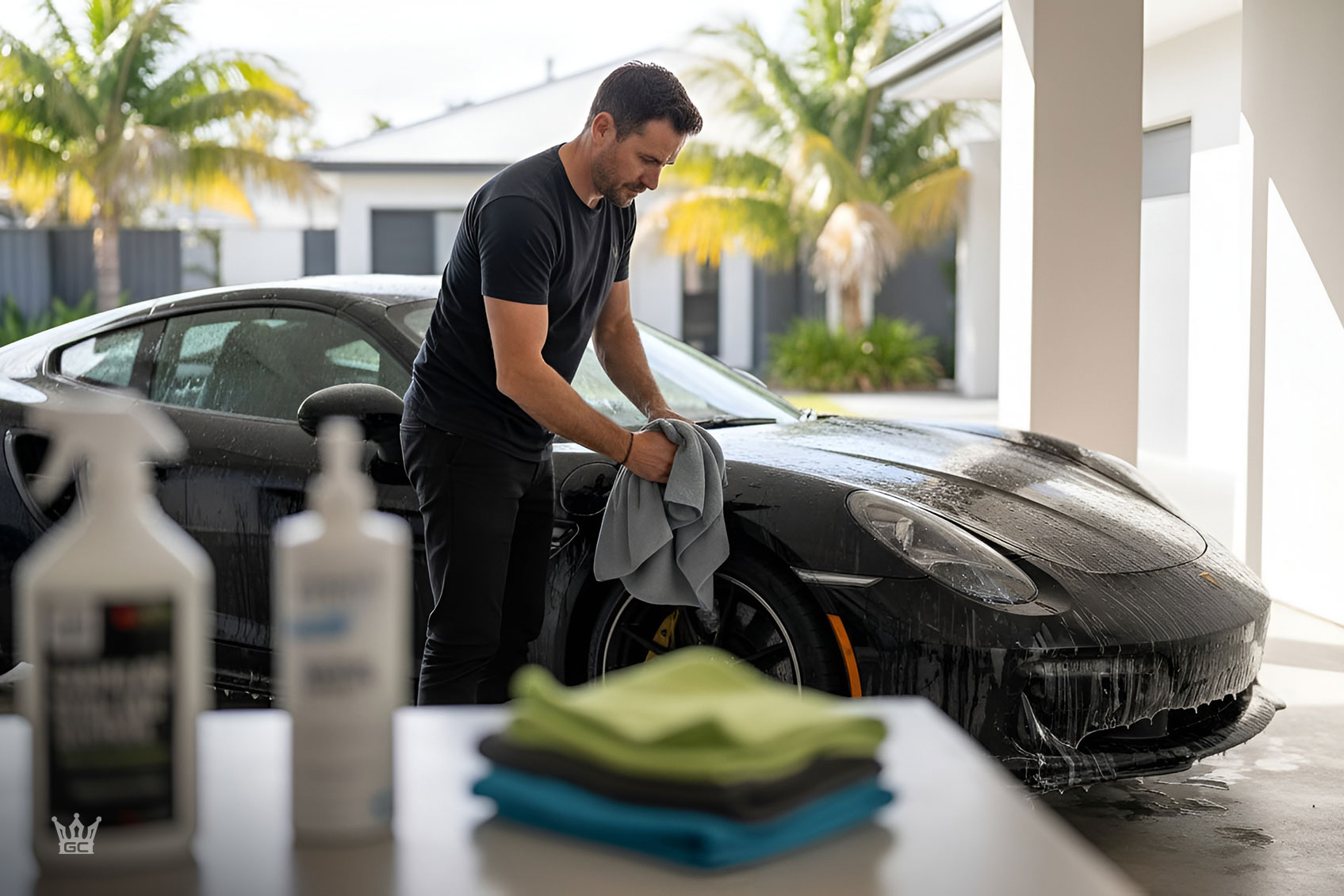
So, you’ve made a smart investment in paint protection film (PPF) to keep your vehicle’s paint looking showroom fresh. That nearly invisible shield is your car’s best defense against stone chips, scratches, and the harsh Australian sun. But to ensure it lasts for years and performs flawlessly, you need a solid paint protection film aftercare routine.
Proper paint protection film aftercare is straightforward but crucial. The essentials involve allowing the film to fully cure for at least 48 hours before washing, using pH-neutral shampoos with the two-bucket method, promptly removing harmful contaminants like bird droppings, and avoiding automated brush car washes. This guide covers these steps in detail to help you protect your investment and keep your car looking pristine.
Your New PPF: The First Few Weeks Are Key
The first few days after your PPF is installed are the most important for ensuring a perfect, long lasting bond. This initial period is all about patience and letting the film do its thing.
Understanding the Curing Time
Curing time is the period where the film’s adhesive fully bonds to your vehicle’s paint. During this phase, any application solution underneath the film evaporates. While a basic cure takes about 48 hours, Full cure typically takes 24–72 hours in Zone 2 conditions after installation. This process can be slower in colder or more humid weather. Giving the film this time to set properly is crucial for its longevity.
The “First 48 Hours, No Washing” Rule
This is the golden rule of PPF aftercare. Do not wash your car for at least 48 hours after installation. Water and soap can get under the edges of the film before the adhesive has fully gripped, which can cause bubbles or lifting. Many installers, including the professionals at Gold Coast Wrap Kings, actually recommend waiting closer to a week before the first wash, just to be extra safe.
Why Shade or Indoor Storage Matters
For the first few days, try to park your car in a garage or a shaded area. Exposing fresh PPF to intense, direct sunlight or high heat (above 90°F (32°C)) can cause the mounting solution to dry unevenly. This might lead to unwanted bubbles or cause the film’s edges to lift before they have a chance to seal. A stable environment helps the film cure perfectly.
Bubbles and Edges (Just Leave Them Alone)
You might notice small water bubbles under the film right after installation. This is completely normal. These are tiny pockets of the installation solution that will evaporate through the film within 7–14 days. Whatever you do, do not press on them or try to poke them. Pushing on bubbles can stretch the film and weaken the adhesive bond, potentially leaving a permanent mark. Also, never try to lift the film’s edge to “fix” an issue, as this can introduce dust and create a bigger problem. If any large bubbles remain after two weeks, contact the Gold Coast Wrap Kings team.
How to Wash Your Car: A PPF Safe Guide
Once your film is fully cured, regular washing is the most important part of paint protection film aftercare. Using the right tools and techniques will keep your PPF looking crystal clear and scratch free. For a detailed step-by-step, see our step-by-step PPF cleaning guide.
Step 1: The Pre Rinse and Snow Foam
Before you touch the car with a mitt, you need to get the loose dirt off. A pre rinse with a pressure washer (from a safe distance) or a hose is a good start. For an even safer wash, use a snow foam cannon. Snow foam is a thick cleanser that clings to the car, encapsulating and loosening dirt and grime. You let it dwell for a few minutes and then rinse it off, taking most of the harmful grit with it. This step drastically reduces the risk of scratching the film during the contact wash.
Step 2: The Two Bucket Wash Method
This is a non negotiable technique for any car enthusiast. You use two separate buckets: one with your soapy water and one with plain rinse water. Here’s the process:
-
Dunk your clean wash mitt into the soap bucket.
-
Gently wash one panel of the car.
-
Before getting more soap, rinse the dirty mitt thoroughly in the plain water bucket.
-
Go back to the soap bucket and repeat on the next panel.
This method ensures you’re not dragging tiny abrasive particles across your film, which is the primary cause of swirl marks.
Using a pH Neutral Shampoo
Always use a high quality, pH neutral car shampoo. Harsh, alkaline detergents (like dish soap) or acidic cleaners can degrade the PPF’s top coat over time, causing it to look dull. A pH neutral soap is designed to be gentle on protective layers like film, sealants, and waxes while still providing excellent cleaning power.
The Right Tool: A Microfiber Wash Mitt
Forget old sponges that trap grit against their flat surface. A plush microfiber wash mitt is the right tool for the job. Its deep fibers pull dirt and grit away from the surface, trapping them safely until you rinse the mitt. This makes it one of the most effective tools for preventing wash induced scratches on your PPF.
A Note on Pressure Washers
You can use a pressure washer, but with caution. Keep the nozzle at least 2 feet (about 60 cm) away from the surface and never aim it directly at the edges of the film. A high pressure jet of water hitting an edge can force its way underneath and cause the film to lift.
Step 3: The Flood Rinse Method
Here’s a clever pro trick to make drying easier. After your final rinse, remove the nozzle from your hose and let a gentle stream of water flow over the car’s surfaces from top to bottom. This technique, called sheeting or the flood rinse, causes the water to run off in a large sheet instead of forming thousands of individual beads. You’ll be left with a car that is about 80% dry, which minimizes the chance of water spots and makes the final drying step much faster.
Step 4: Proper Drying Techniques
Never let your car air dry, as this will leave mineral deposits (water spots) on the film. The best way to dry your car is with a large, plush microfiber drying towel. Gently blot the water or lightly wipe in one direction. Avoid aggressive rubbing. Alternatively, an electric car dryer or even a leaf blower is a great touchless option, blowing the water off the surface without any physical contact.
Long Term Paint Protection Film Aftercare
Beyond regular washing, a few ongoing habits will ensure your PPF stays in top condition for its entire lifespan.
The Importance of Prompt Contaminant Removal
Some substances can damage your PPF if left to sit, especially in the hot sun. Bird droppings, bug splatter, tree sap, and tar should be cleaned off as soon as you spot them. Bird droppings contain uric acid and can etch the film’s surface within hours in hot weather. Keep a bottle of quick detailer and a clean microfiber cloth in your car for these quick cleanups.
Keeping Edges Clean (The Right Way)
Over time, a fine line of wax or dirt can build up along the film’s edges. To clean this, use a soft cotton swab or a microfiber cloth wrapped around your finger. Gently wipe parallel to the edge, not against it. This prevents you from accidentally lifting the edge or forcing dirt underneath it.
Sealants and Ceramic Coatings (PPF’s Best Friend)
While not required, applying a PPF safe sealant or a professional ceramic coating on top of your film is a fantastic idea. These products add an extra layer of protection, enhance gloss, and create a super slick, hydrophobic surface. Not sure which route to take? Read our PPF vs ceramic coating comparison.
UV Protection and Preventing Yellowing
Modern, high quality PPF is manufactured with UV inhibitors to prevent it from turning yellow. If you’re new to PPF, start with our what is paint protection film guide to learn how coverage and care work. However, in a place with intense sun like the Gold Coast, giving it extra protection doesn’t hurt. Using a UV protectant spray or a sealant can further slow the aging process and keep the film looking optically clear for years.
The Magic of Self Healing Film
One of the most incredible features of premium PPF is its ability to self heal. The film’s top coat is made from an elastomeric polymer that can reflow when heated. See how full-body PPF performs on a Corvette Stingray in our portfolio. This means light scratches and swirl marks from daily use will simply disappear when the car is parked in the sun or when you pour warm (not boiling) water over the area. A little bit of heat is often all it takes to make your film look brand new again.
What to Avoid: Harsh Chemicals and Bad Waxes
A critical part of paint protection film aftercare is knowing what to avoid. Be mindful of the products you use. Avoid harsh chemical cleaners, degreasers, solvents, and bug and tar removers that aren’t specifically labeled as safe for automotive paint or PPF. Also, stay away from traditional car waxes that contain more than 5% naphtha or kerosene, as these petroleum based solvents can damage the film over time.
Why You Should Skip Automatic Brush Car Washes
While convenient, automatic car washes that use spinning brushes are a major enemy of PPF. The stiff, often dirty bristles can create a web of fine scratches on the film, dulling its finish. Even worse, the brushes can catch an edge of the film and cause it to lift or peel. Stick to hand washing or a touchless automatic car wash to preserve your film.
Staying Proactive: Inspections and Professional Help
A little bit of observation and knowing when to call an expert can save you headaches down the road.
Regular Inspections You Can Do at Home
Every time you wash your car, take a quick walk around and inspect the film. Look closely at the edges, especially in high wear areas like wheel arches and the front bumper. If you see a corner starting to lift, don’t pick at it. Catching these issues early means your installer can often fix them easily before they become a bigger problem.
Seasonal and Environmental Care Tips
Your paint protection film aftercare might need to change with the seasons.
-
Summer: In hot, sunny weather, be extra vigilant about washing off bugs and bird droppings before they can bake onto the film. Frequent washes are key.
-
Winter: If you drive in areas with road salt, rinse your car frequently to prevent the corrosive salt from sitting on the film’s edges.
-
Rainy Season: Constant rain can lead to more water spotting. Ensure you dry the vehicle properly after it rains or after a wash to keep it looking clean.
When to Call for Professional Repair
While PPF is incredibly durable, it can be damaged by a significant impact. If your film gets torn, punctured, or a lift becomes too large, it’s time to call a professional. Do not attempt to fix major damage yourself with glue or a razor blade, as this can lead to damaging your car’s paint. A qualified installer like Gold Coast Wrap Kings can safely remove the damaged section and seamlessly apply a new piece, restoring the protection perfectly. Learn more about our professional PPF services.
Creating a Simple Maintenance Schedule
Having a routine makes everything easier. A good paint protection film aftercare schedule could look like this:
-
Weekly: Perform a safe two bucket hand wash. Annual service by a Ceramic Pro installer includes a visual inspection.
-
Annually: Book a professional inspection with our services team. They can address any minor issues and ensure the film is performing as it should.
Following a proper paint protection film aftercare plan will ensure your vehicle stays protected and looks incredible for years to come. If you ever have questions or need expert help on the Gold Coast, don’t hesitate to reach out to a professional team.
Frequently Asked Questions About Paint Protection Film Aftercare
You should wait a minimum of 48 hours, but waiting a full week is highly recommended to allow the film’s adhesive to fully cure and bond to the paint.
Yes, but carefully. Keep the nozzle at least two feet away from the surface and avoid spraying directly at the film’s edges to prevent lifting.
Small water bubbles are normal after installation and will disappear on their own within a couple of weeks as the moisture evaporates. Do not press on them. If any moisture pockets or bubbles are still visible after the 48-hour curing process, contact your installer.
You don’t need to, and you should avoid traditional petroleum based waxes. A better option is to use a modern synthetic paint sealant or a ceramic coating spray specifically designed to be safe for PPF. These products offer better protection and slickness.
Clean them as quickly as possible. Use a dedicated bug and tar remover that is safe for clear coats or a gentle stream of water and a soft microfiber towel. For dried on spots, let a wet towel sit on the area for a few minutes to soften the contaminant before gently wiping it away.
Modern, high quality paint protection films contain UV inhibitors that prevent yellowing for many years. With proper care and by avoiding harsh chemicals, your film should remain optically clear for its entire warranty period.