
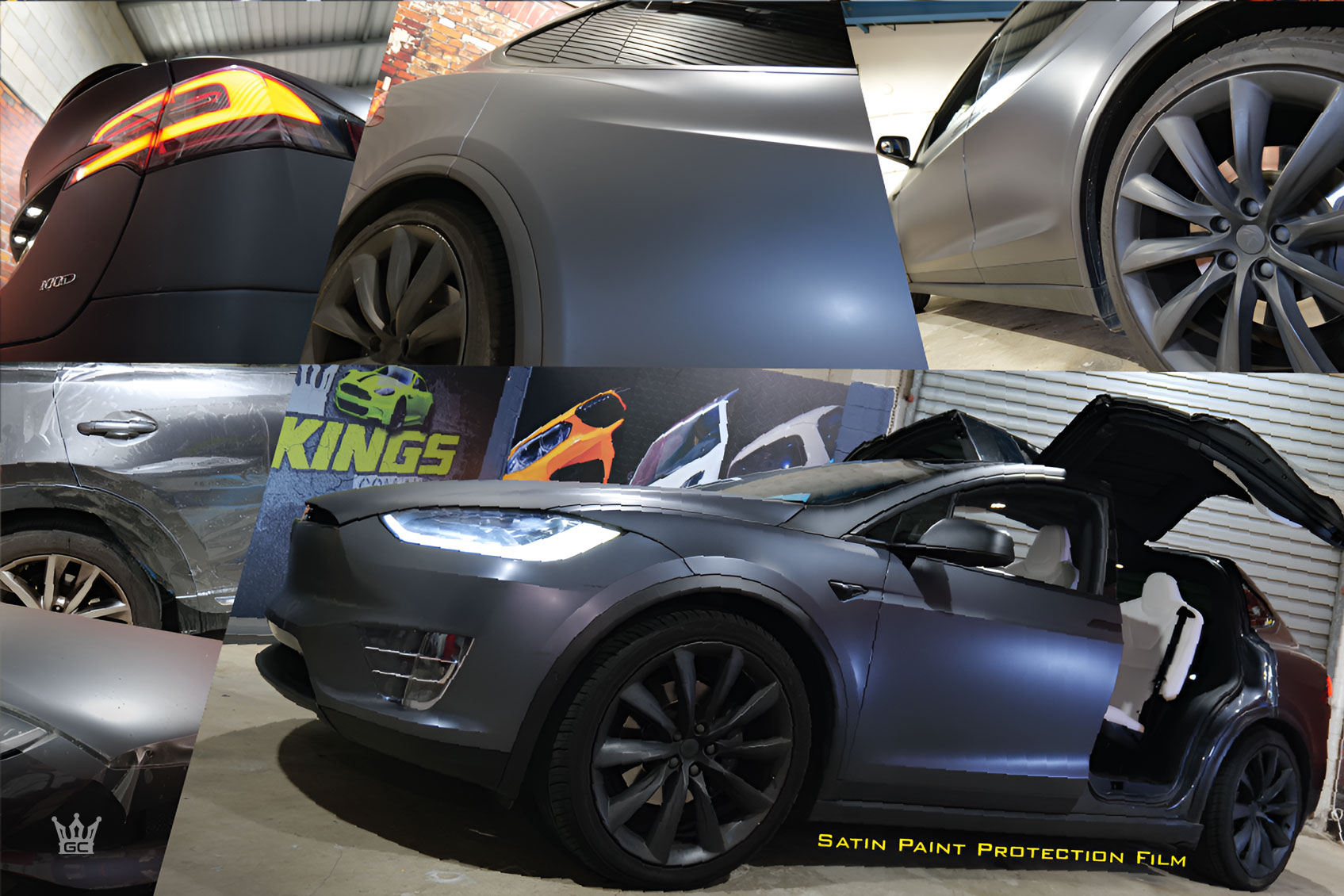
Yes, there are highly skilled professionals on the Gold Coast experienced with Tesla’s complex sensor and camera systems, but choosing a true specialist is crucial for a flawless result. While giving your Tesla a fresh look with a vinyl wrap is a great way to personalize it and protect its paint, wrapping these high-tech vehicles is not like any other car. A small mistake can interfere with the advanced features that make a Tesla special, which is why finding wrap installers experienced with tesla sensors and cameras gold coast is non-negotiable for protecting your investment.
Let’s break down exactly what’s at stake. At Gold Coast Wrap Kings, we see these high-tech vehicles every day and understand the precision they demand to ensure every sensor and camera functions perfectly after the wrap is applied.
The High Tech Challenge: Why Tesla Wraps Are Different
A Tesla’s body panels are home to a network of cameras and sensors that form its Advanced Driver Assistance System (ADAS). This includes Autopilot, parking assist, and collision warning systems. Applying a layer of vinyl or paint protection film (PPF) incorrectly can physically block these components, leading to error messages or disabled features.
For example, some Tesla Model 3 owners have reported their front parking sensors stopped working after a vinyl wrap was applied. In other cases, even on different brands like Audi, wraps have caused “ACC and Brake Guard Unavailable” errors, showing how sensitive these systems are. This is the core risk of using an installer who isn’t familiar with EV technology. While a standard vinyl wrap installed correctly shouldn’t cause issues, the margin for error is small. The search for wrap installers experienced with tesla sensors and cameras gold coast is really a search for peace of mind. If you’re still weighing protection options, read our PPF vs ceramic coating guide.
A true specialist knows the difference between Tesla models. They know a 2020 Model 3 has twelve ultrasonic parking sensors that need attention, while a 2023 Model Y uses the camera‑only “Tesla Vision” system and has none. This knowledge dictates the entire wrapping strategy.
The Installer’s Playbook: Techniques for a Flawless Functional Wrap
So, how do professionals handle this? An experienced team has specific methods to ensure your Tesla’s new look doesn’t compromise its intelligence.
Cutting Around Sensor Housings
One of the most common and effective techniques is to simply cut the vinyl wrap around the sensor housings. This means trimming a clean, precise circle in the film, leaving the ultrasonic sensor or camera lens completely exposed to the open air, just like it came from the factory.
Many owners and even Tesla’s own service technicians have found this to be an immediate fix for sensor malfunctions post wrap. As soon as the film covering the sensors is cut away, the issue often disappears. When applying high end clear bra PPF, these circular areas are usually pre cut or popped out for this very reason. It guarantees function over a perfectly seamless look, which most owners prefer for safety and convenience.
The Importance of Perfect Adhesion
It’s not just about covering a sensor. Even poor adhesion around a sensor can cause problems. An air bubble, wrinkle, or loose edge near a sensor can reflect or distort its signals. For Tesla’s ultrasonic sensors, a small gap between the vinyl and the bumper can cause sound waves to bounce back incorrectly, tricking the system into thinking an obstacle is there when it’s not.
To prevent this, skilled installers use a heat gun to make the vinyl conform perfectly to the panel’s contours around the sensor. This ensures a tight seal with no air gaps, allowing the sensor to operate as intended. Getting these details right is a hallmark of wrap installers experienced with tesla sensors and cameras gold coast.
Handling the Details: Cameras, Components, and Extra Care
Wrapping a Tesla properly often requires more labor and a deeper understanding of the car’s construction compared to a vehicle with less technology.
Extra Labor and Disassembly Risks
Installers often need extra time to meticulously trim film around each sensor or even remove certain components like mirrors, badges, or camera assemblies to wrap underneath them. While disassembly can lead to a cleaner finish, it carries risks if done incorrectly.
-
Misalignment: If a side repeater camera is removed and not reinstalled in the exact same position, the view it provides can be tilted. This can throw off Autopilot, which relies on a perfectly level horizon for accurate data.
-
Physical Damage: Tesla components have delicate connectors and seals. An inexperienced hand could easily damage a wiring harness or crack a camera housing, leading to costly repairs. While a wrap does not void your warranty, Tesla may not cover a sensor that was broken during disassembly.
-
Recalibration: Some cameras and sensors require a recalibration procedure after being removed and reinstalled. A professional installer will be aware of this and ensure everything is functioning correctly before handing the keys back.
The Rear and Side Camera Challenge
Tesla’s cameras require special attention. The rear camera is integrated directly into the trunk panel, meaning it can’t be easily removed. The wrap must be cut with extreme precision around the lens to avoid a blurry or obstructed backup view.
Similarly, the side cameras on the front fenders are crucial for Autopilot and blind spot monitoring. When reinstalled, they must be perfectly aligned to ensure a level horizon. Even a tiny tilt can affect how the car’s software interprets distances and objects. This is a critical detail that separates generalists from the specialists you want working on your car. For a real‑world example of a complex EV wrap, see our Tesla Model X satin PPF full wrap.
What to Do If Things Go Wrong: Troubleshooting Sensor Issues
If a sensor does act up after a wrap, don’t panic. There’s a simple troubleshooting process.
-
Visual Inspection: First, check if any wrap material is covering or overlapping the sensor.
-
Trim the Film: If the sensor is covered, the solution is usually to carefully trim the film away. Many Tesla owners have found that their sensors started working again instantly once the wrap was cut away from the sensor rings.
-
Check Adhesion: If the sensor is already exposed, check for air bubbles or poor adhesion around the edges. Gently heating and smoothing the area can sometimes resolve false readings.
-
Consider Other Causes: If the issue persists, it might be a coincidence. Tesla is known for its software updates, and a glitch could be the real culprit. At this point, a visit to a Tesla Service Center may be needed.
However, in most cases, wrap related sensor failures are solved by simply freeing the sensor from any obstruction.
Finding the Right Team on the Gold Coast
Wrapping a Tesla is a blend of art and science. It requires an artist’s eye for a perfect finish and a technician’s understanding of the car’s complex electronic nervous system. When you look for wrap installers experienced with tesla sensors and cameras gold coast, you’re looking for a team that respects both.
Choosing an expert ensures your investment looks incredible without compromising the advanced safety and convenience features you love. If you’re ready to transform your Tesla, trust a team with proven experience. Get in touch with Gold Coast Wrap Kings for a consultation and see how we can bring your vision to life, flawlessly.
Frequently Asked Questions
You need an experienced installer because Teslas have a complex network of cameras and sensors for Autopilot and safety features. An improper wrap application can obstruct these components, leading to malfunctions or disabled features. Experts know the specific locations and sensitivities of these parts on different Tesla models and use techniques to avoid any interference.
Not necessarily. When applied correctly by a skilled professional who understands how to handle sensors, a standard non metallic vinyl wrap typically does not cause interference. The problems arise from incorrect installation, like covering sensors, leaving air bubbles, or using materials like chrome films that can disrupt signals.
The safest and most recommended method is to “cut around” the sensor. This involves precisely trimming the vinyl so that it does not cover the sensor itself, leaving it exposed. This technique virtually eliminates the risk of the wrap material interfering with the sensor’s operation.
Look for evidence in their portfolio. An experienced shop, like Gold Coast Wrap Kings, will have multiple examples of Tesla Model 3, Y, S, and X wraps on their website or social media. You can also ask them directly about their process for handling Autopilot cameras and ultrasonic sensors. Their confidence and detailed explanation will reveal their level of expertise. View our EV portfolio to see our work.
Yes, it often does. The extra time is dedicated to carefully working around the numerous cameras and sensors. This meticulous process, which may include precise cutting or safe removal and reinstallation of components, adds labor hours but is crucial for a perfect and functional result.
For ultrasonic parking sensors, cutting around them is the safest and most reliable method to ensure they function correctly. While some very thin films might work when wrapped over a sensor, it adds a layer of risk. For cameras, the lens must always be left completely uncovered. After installation, follow our car wrap maintenance guide to keep everything looking and performing its best.